CRANE PLATFORMS

Stable foundations for heavy lifting

Stable foundations for heavy lifting
Solutions

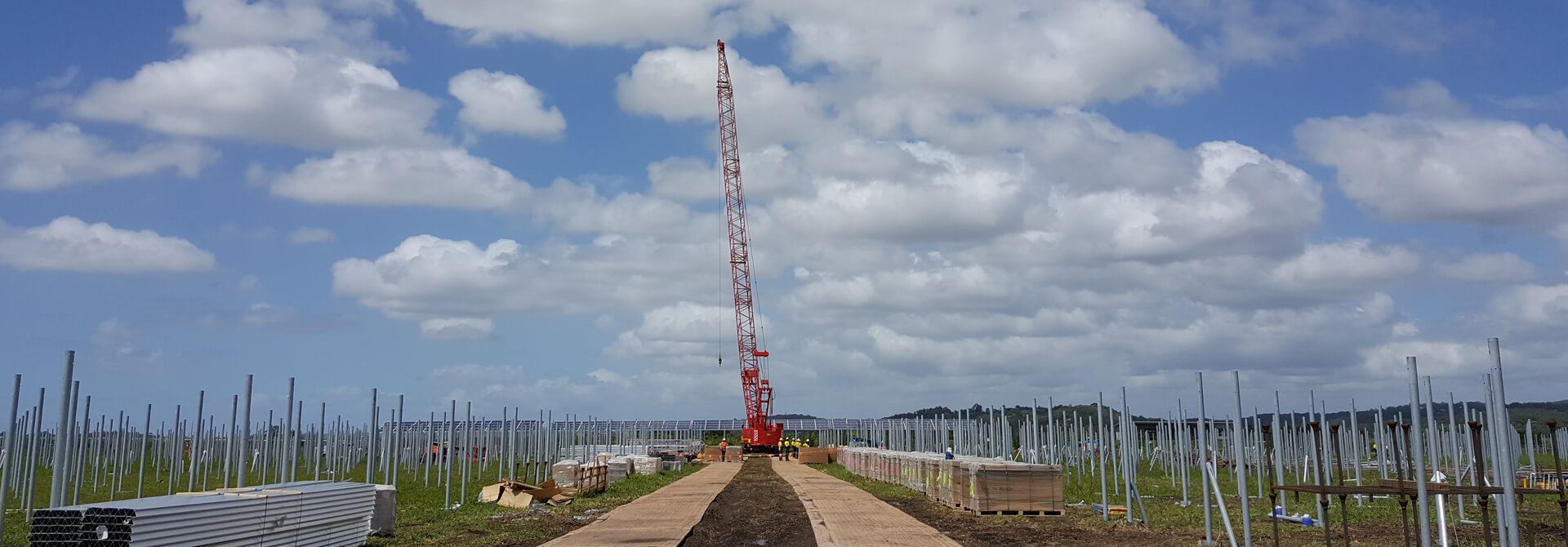
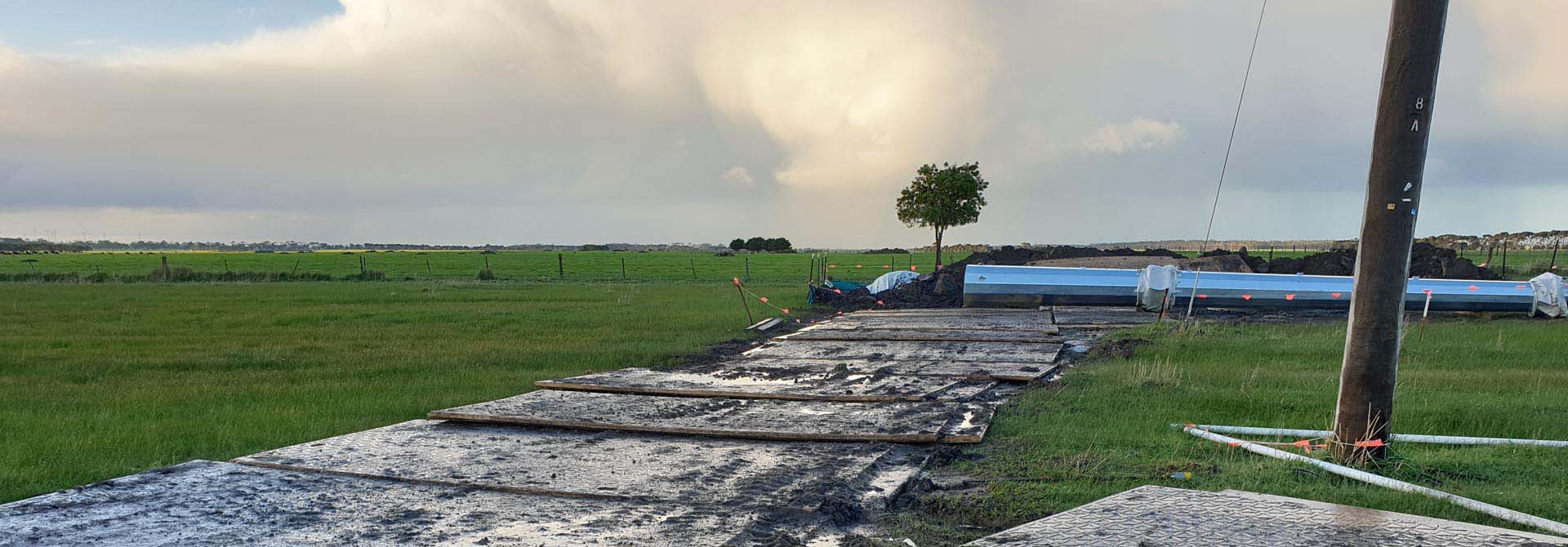
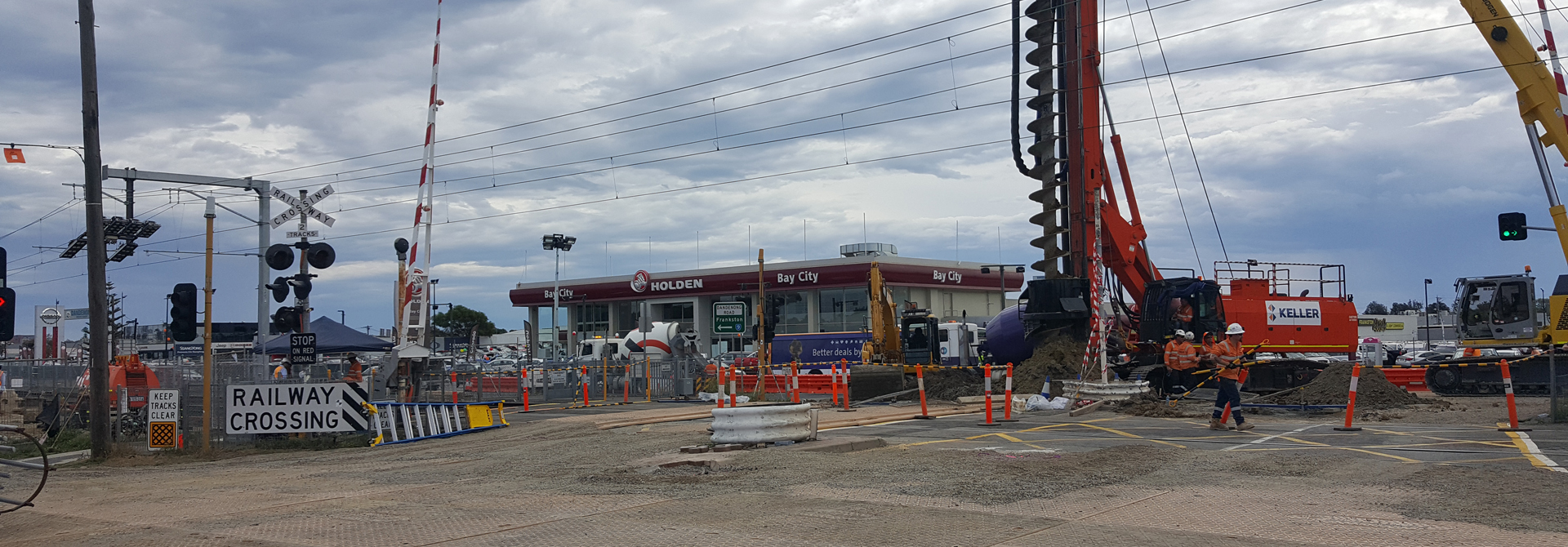
The Challenge Cranes must operate from level, load-rated ground — yet many project sites feature unstable fill, wet subgrades, or existing assets that cannot absorb outrigger point loads.

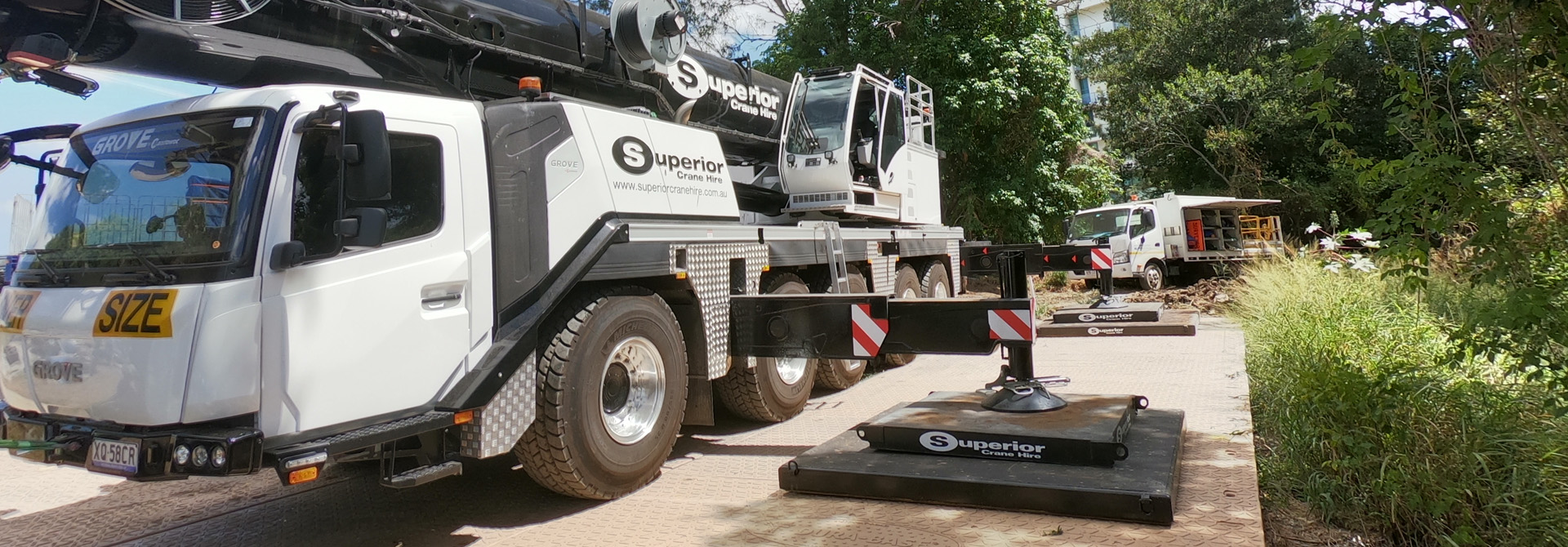
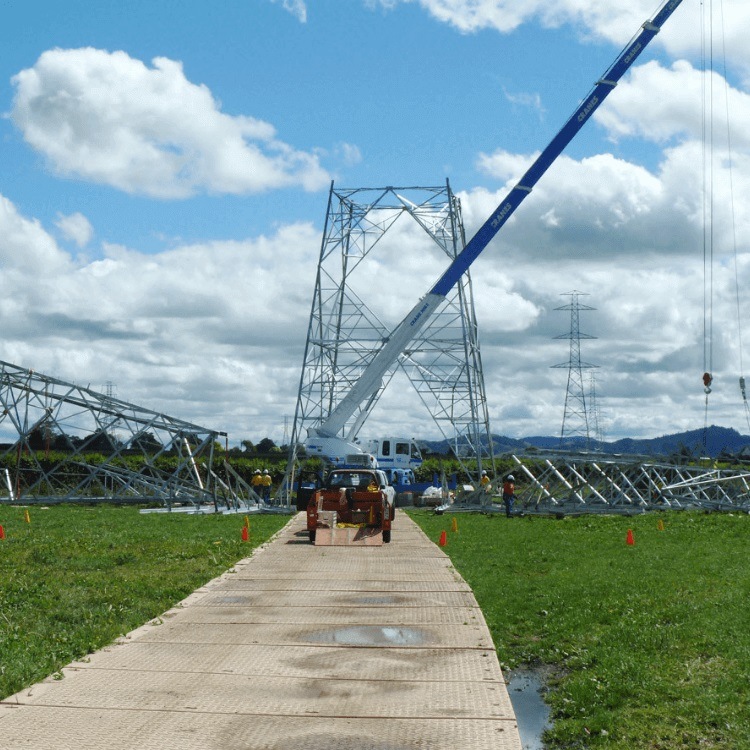
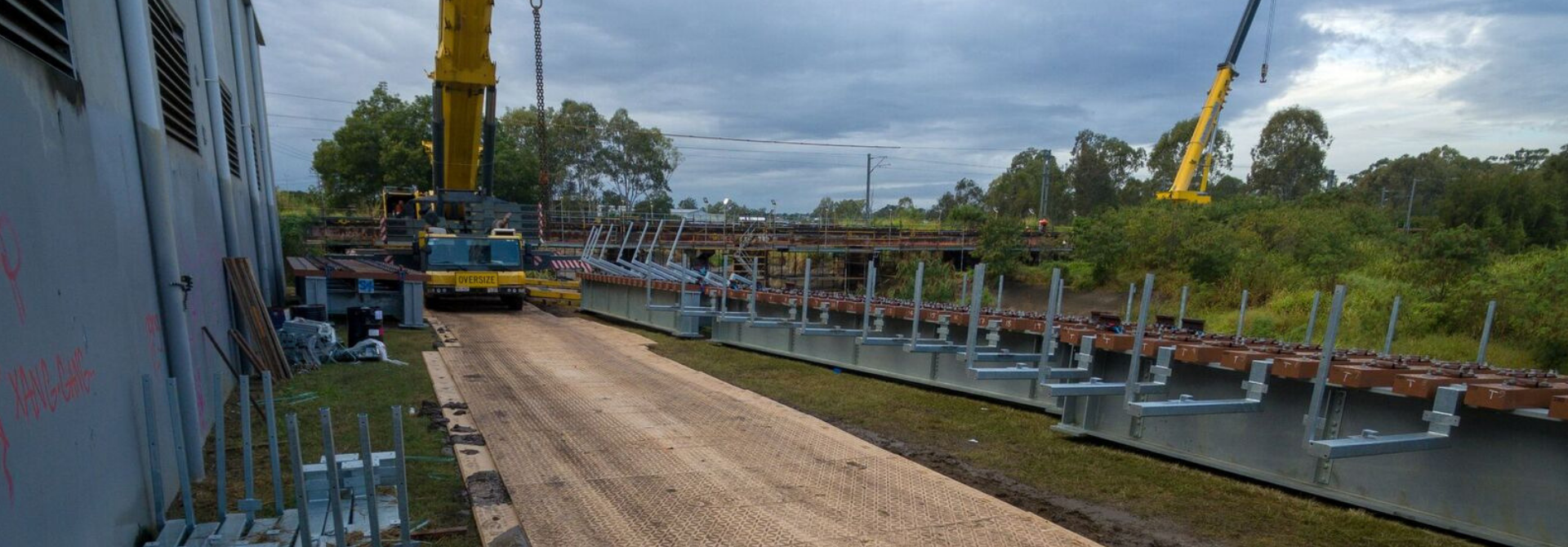
The Solution JWA composite mats distribute outrigger loads across a wide footprint, creating engineered crane pads without concrete or extensive earthworks.

Key Challenges

What Makes Crane Platforms Demanding

Ground Stability

Cranes require engineered level platforms; soft or uneven ground creates dangerous tipping risk.

  • Platform Settlement
  • Crane Instability

Environmental Protection

Heavy outrigger loads concentrate ground pressure, causing irreversible sub-surface compaction.

  • Sub-surface Damage
  • Load Concentration

Operational Efficiency

Ground preparation for crane pads adds significant time and cost to lifting operations.

  • Prep Time Delays
  • Increased Mobilisation
Engineered Solutions

Performance Over
Unstable Ground

Deploy rapid access systems that protect the environment while supporting heavy loads.

High Compressive Strength

Heavy-duty mats support extreme point loads from crane outriggers without deformation.

Level Working Surface

Interlocking systems create a contiguous, level pad critical for safe lifting operations.

Sub-surface Protection

Spreads outrigger loads safely to prevent punch-through and protect underground services.

Engineered Reliability

Tested and certified load ratings provide surety for complex heavy lifts and dual-crane operations.

Technical Data

Material HDPE Composite (High-Density Polyethylene)
Load Capacity Up to 60+ Tons (configuration dependent)
Panel Dimensions Varies by system — contact JWA for sizing
Surface Anti-slip textured finish, suitable for pedestrian and vehicle use
Installation Manual or mechanical; minimal groundwork required
Reusability Multi-deployment rated; UV stabilised and weatherproof

Expert Insights

Lift Planning Integration

JWA works alongside crane operators and lift supervisors to specify mat arrays based on the outrigger load plan. Mat dimensions and configurations are matched to the specific crane model and lift capacity requirements.

Soft Ground Lifts

On marginal ground, a geotextile separator layer beneath the mat array is recommended to prevent differential settlement during extended crane operations. This is particularly important on reactive clay soils common across Queensland and Victoria.

Proven Performance

Featured Case Studies

Real-world examples of how composite matting solves access challenges for crane platforms projects.

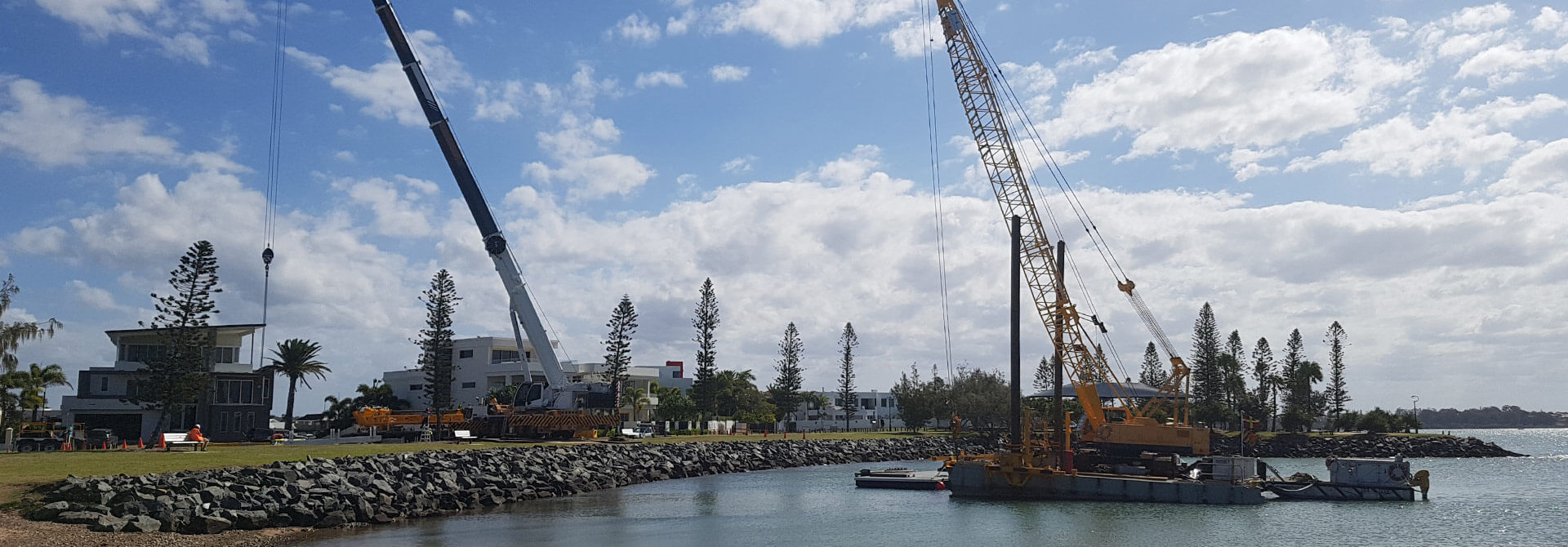
Pontoon Installation
Featured Project Raby Bay, QLD

Pontoon Installation

Dura-Base matting served as a stable crane platform for a pontoon installation by the coast at Raby Bay, QLD. The mats ensured the safe operation of the crane near the water's edge.

Ready to Start Your Project?

Trusted by Industry Leaders