
CAMPSITE GROUNDS

Foundations for remote camps

Foundations for remote camps
Solutions

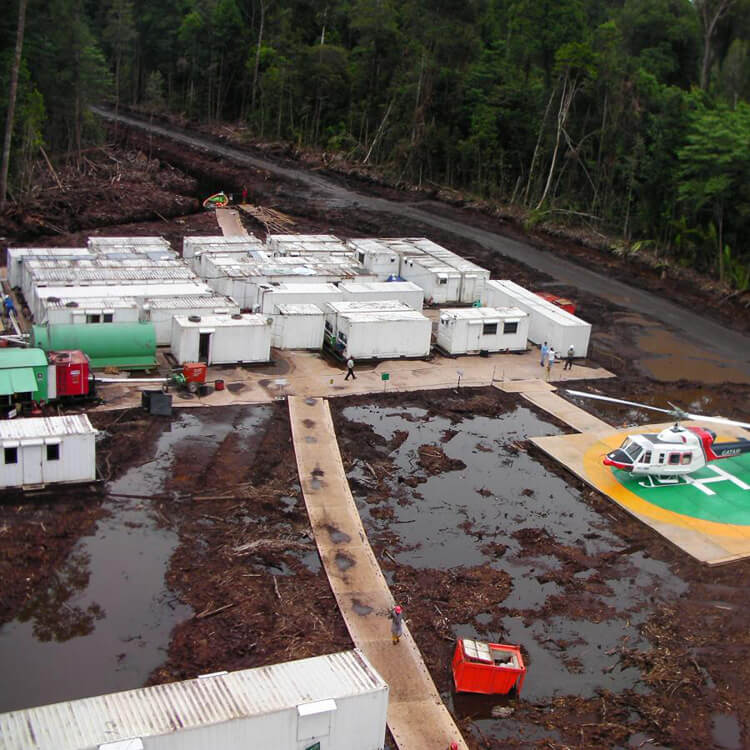
The Challenge Remote work camps on soft or reactive soils struggle to support the concentrated loads of accommodation, kitchen, and ablution facilities — particularly during wet seasons.

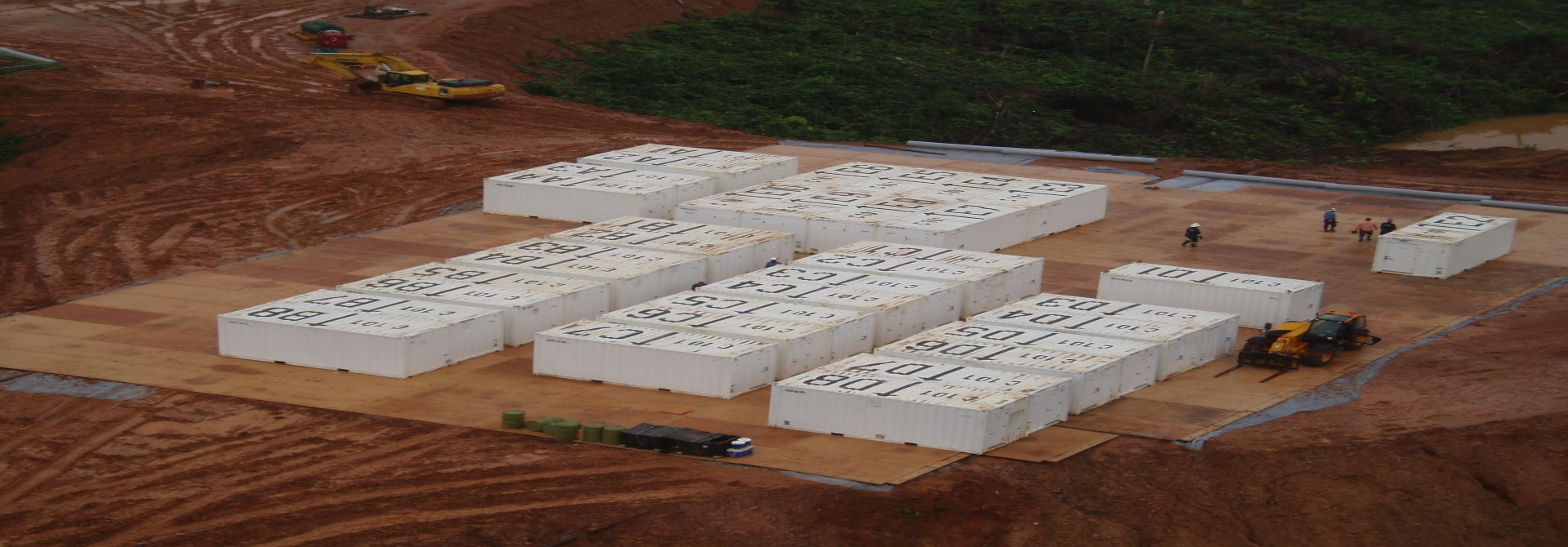
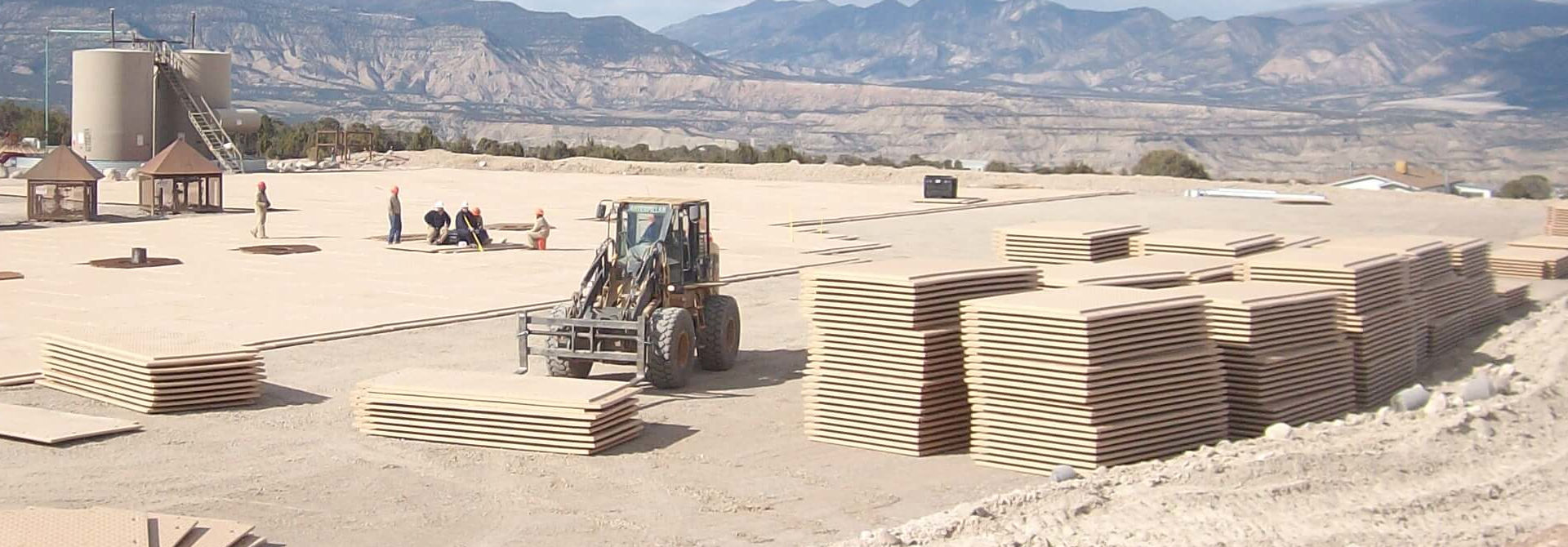
The Solution Composite mat flooring systems create stable, level camp pads for demountables and facilities in the most remote and challenging locations.

Key Challenges

What Makes Campsite Grounds Demanding

Ground Stability

Remote camp sites on soft or reactive soils struggle to support vehicle and equipment loads.

  • Vehicle Bogging
  • Ground Settlement

Environmental Protection

Ongoing camp operations compact soil and strip vegetation from high-traffic areas over time.

  • Vegetation Loss
  • Long-term Compaction

Operational Efficiency

Poor ground conditions increase maintenance burden and limit the usable footprint of camp facilities.

  • Maintenance Overhead
  • Reduced Footprint
Engineered Solutions

Performance Over
Unstable Ground

Deploy rapid access systems that protect the environment while supporting heavy loads.

Load Distribution

Engineered composite mats distribute weight effectively, preventing bogging and ground damage.

Rapid Deployment

Quick installation and removal means minimal downtime and maximum productivity.

All-Weather Access

Our systems provide reliable access in any weather conditions, keeping projects on schedule.

Reusable Systems

Durable construction allows for multiple deployments, reducing overall project costs.

Technical Data

Material HDPE Composite (High-Density Polyethylene)
Load Capacity Up to 60+ Tons (configuration dependent)
Panel Dimensions Varies by system — contact JWA for sizing
Surface Anti-slip textured finish, suitable for pedestrian and vehicle use
Installation Manual or mechanical; minimal groundwork required
Reusability Multi-deployment rated; UV stabilised and weatherproof

Expert Insights

Camp Layout Optimisation

JWA provides camp mat layout plans to optimise panel usage across accommodation, ablution, kitchen, and vehicle traffic areas. Proper zoning of mat types — heavier grades for traffic areas, lighter panels for walkways — reduces overall mat quantities and cost.

Wet Season Preparation

Remote camps in northern and central Australia frequently face extended wet seasons. JWA recommends completing camp mat installation before the wet season onset to avoid the logistics challenges of emergency mat deployments in flooded access conditions.

Proven Performance

Featured Case Studies

Real-world examples of how composite matting solves access challenges for campsite grounds projects.

Korobosea and Camp Moro
Featured Project Port Moresby, PNG

Korobosea and Camp Moro

The Korobosea rig site and Moro base camp were among the first locations in PNG to utilise Dura-Base Composite Matting for oilfield rig mats, breaking a 50-year trend of using timber. This innovative method provided a solid footing for campsite flooring and rig locations, leading to the successful completion of the drilling program.

Military Camp Grounds — JWA project case study
defence

Undisclosed

Military Camp Grounds

Defence armed forces required a temporary camp to conduct training in a remote desert environment characterised by barren, dusty, and sandy terrain. Dura-Base mats were deployed to create a stable 5,000sqm surface for the camp.

View Project

Ready to Start Your Project?

Trusted by Industry Leaders