
TEMPORARY ROADWAYS

Access anywhere, anytime

Access anywhere, anytime
Solutions

The Challenge Temporary haul roads over soft ground deteriorate rapidly under heavy vehicle loading, creating rutting, road failure, and costly maintenance that slows operations and inflates project costs.

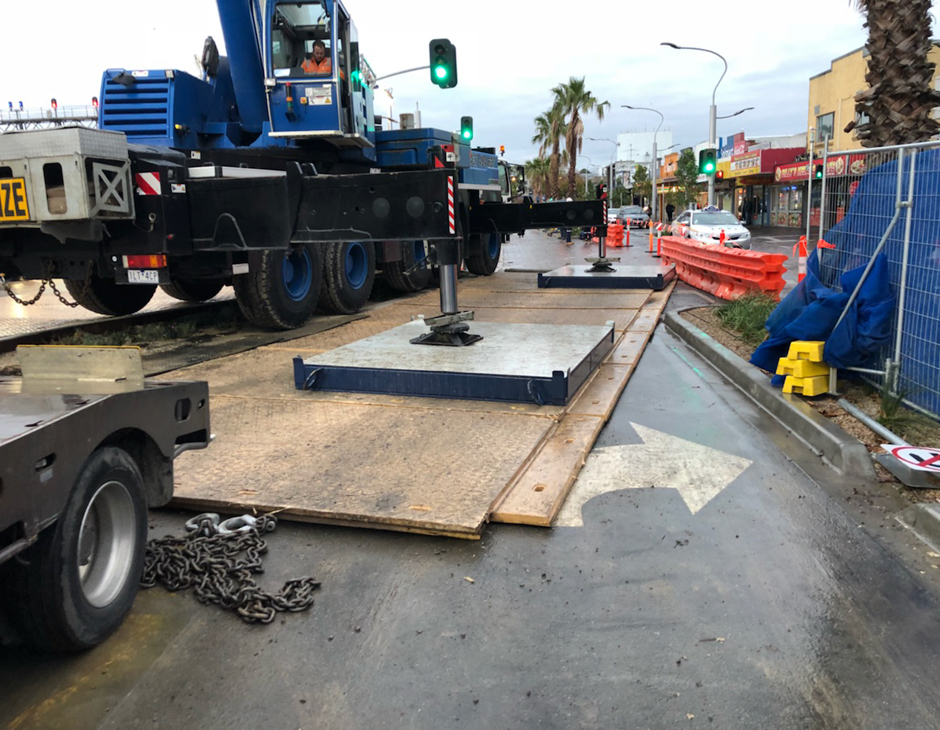
The Solution Composite mat roadways provide reliable, all-weather access for heavy vehicle fleets across the most challenging terrain, without the maintenance overhead of conventional temporary roads.

Key Challenges

What Makes Temporary Roadways Demanding

Ground Stability

Haul roads over soft or wet ground deteriorate rapidly under repeated vehicle loading cycles.

  • Rutting
  • Road Failure

Environmental Protection

Unmanaged haul routes compact soil, generate dust and direct runoff into surrounding land.

  • Dust Generation
  • Runoff Contamination

Operational Efficiency

Road maintenance on temporary haul routes consumes significant resources and slows haulage cycles.

  • Maintenance Costs
  • Haulage Delays
Engineered Solutions

Performance Over
Unstable Ground

Deploy rapid access systems that protect the environment while supporting heavy loads.

Load Distribution

Engineered composite mats distribute weight effectively, preventing bogging and ground damage.

Rapid Deployment

Quick installation and removal means minimal downtime and maximum productivity.

All-Weather Access

Our systems provide reliable access in any weather conditions, keeping projects on schedule.

Reusable Systems

Durable construction allows for multiple deployments, reducing overall project costs.

Technical Data

Material HDPE Composite (High-Density Polyethylene)
Load Capacity Up to 60+ Tons (configuration dependent)
Panel Dimensions Varies by system — contact JWA for sizing
Surface Anti-slip textured finish, suitable for pedestrian and vehicle use
Installation Manual or mechanical; minimal groundwork required
Reusability Multi-deployment rated; UV stabilised and weatherproof

Expert Insights

Traffic Count Planning

Haul road mat specifications should account for the total number of vehicle passes expected over the deployment period. Higher traffic volumes concentrate wear at entry and exit points; JWA recommends reinforcing these areas with overlapping mat layers.

Turning Circle Design

Temporary roads fail most frequently at turning circles where lateral tyre forces are highest. JWA designs turning circle mat arrays with additional overlap and pinning to resist the lateral movement that causes panel misalignment under steering loads.

Proven Performance

Featured Case Studies

Real-world examples of how composite matting solves access challenges for temporary roadways projects.

Balmoral Park
Featured Project Morningside, QLD

Balmoral Park

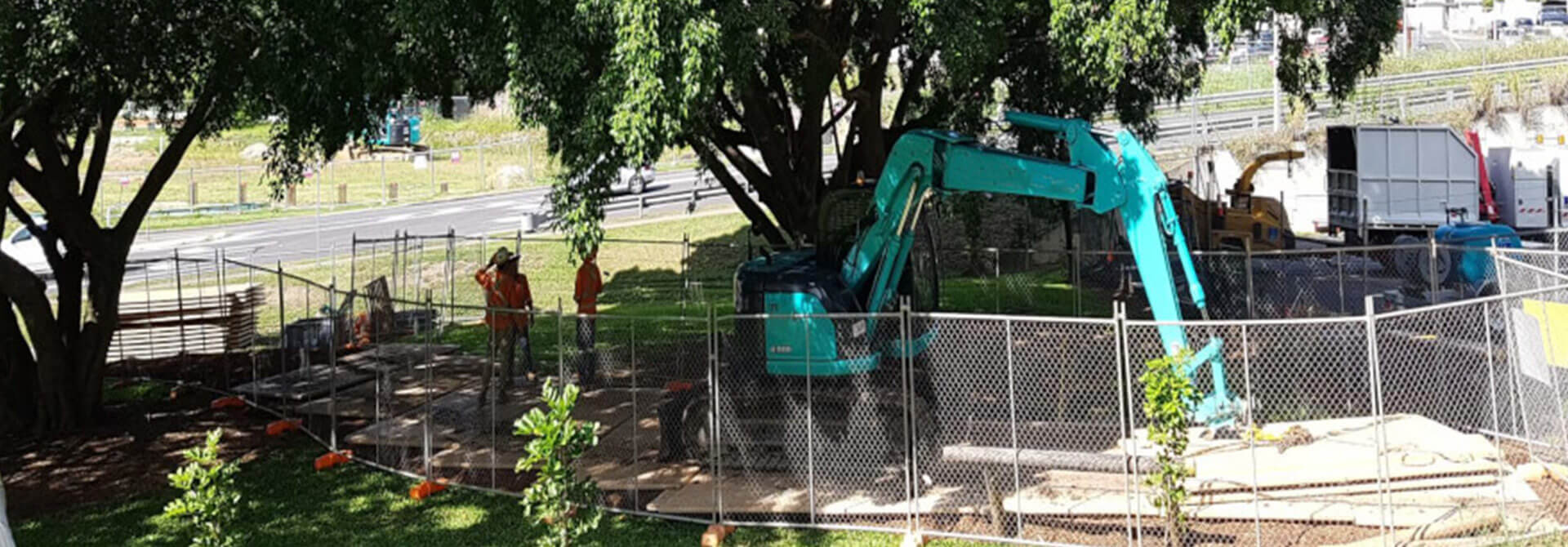
Our client was tasked to carry out stormwater works for the City of Brisbane at Balmoral Park, a site of local heritage significance. Dura-Base mats were installed over the existing footpath to create a temporary roadway, providing safe access for a tracked excavator while protecting the heritage grounds and aveune of weeping figs.

Connections Project — JWA project case study
utilities

Victoria, VIC

Connections Project

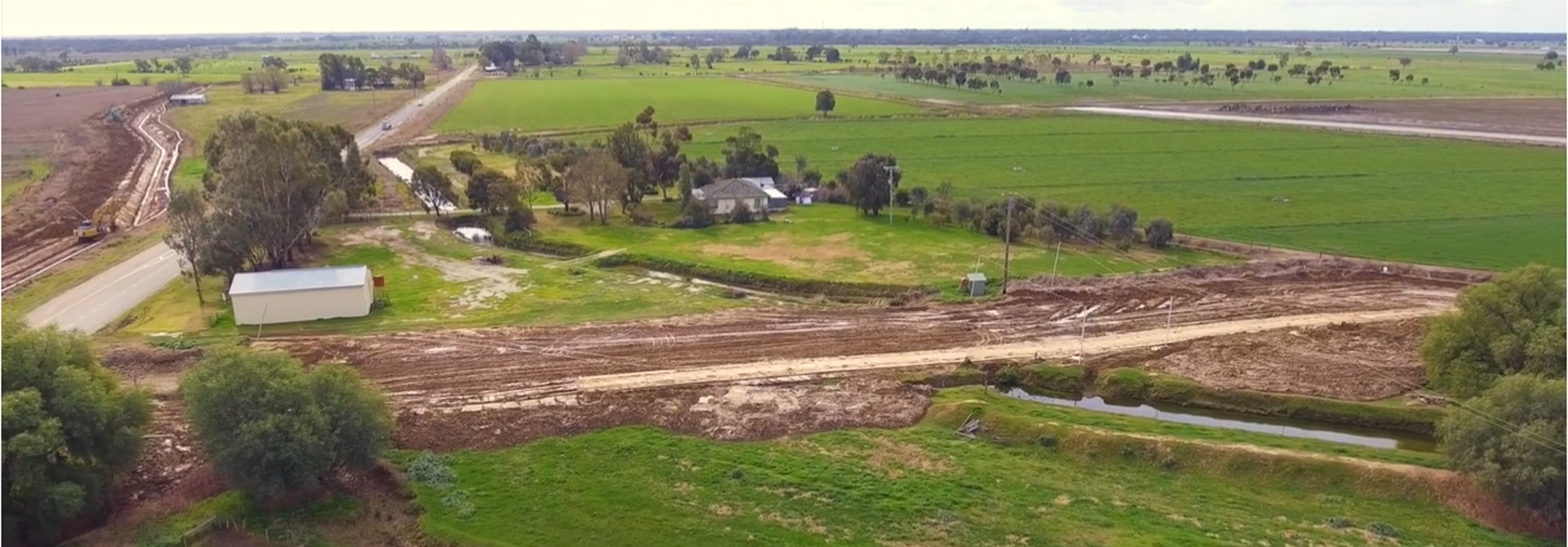
The $2 billion Connections Project, Australia’s largest irrigation modernisation project, required stable access for pipeline trenching in rain-affected, boggy ground. Dura-Base mats provided a continuous stable roadway, preventing excavators from sinking and enabling the project to proceed.

View Project
Sunshine Coast Airport Expansion Project — JWA project case study
aviation

Marcoola, QLD

Sunshine Coast Airport Expansion Project

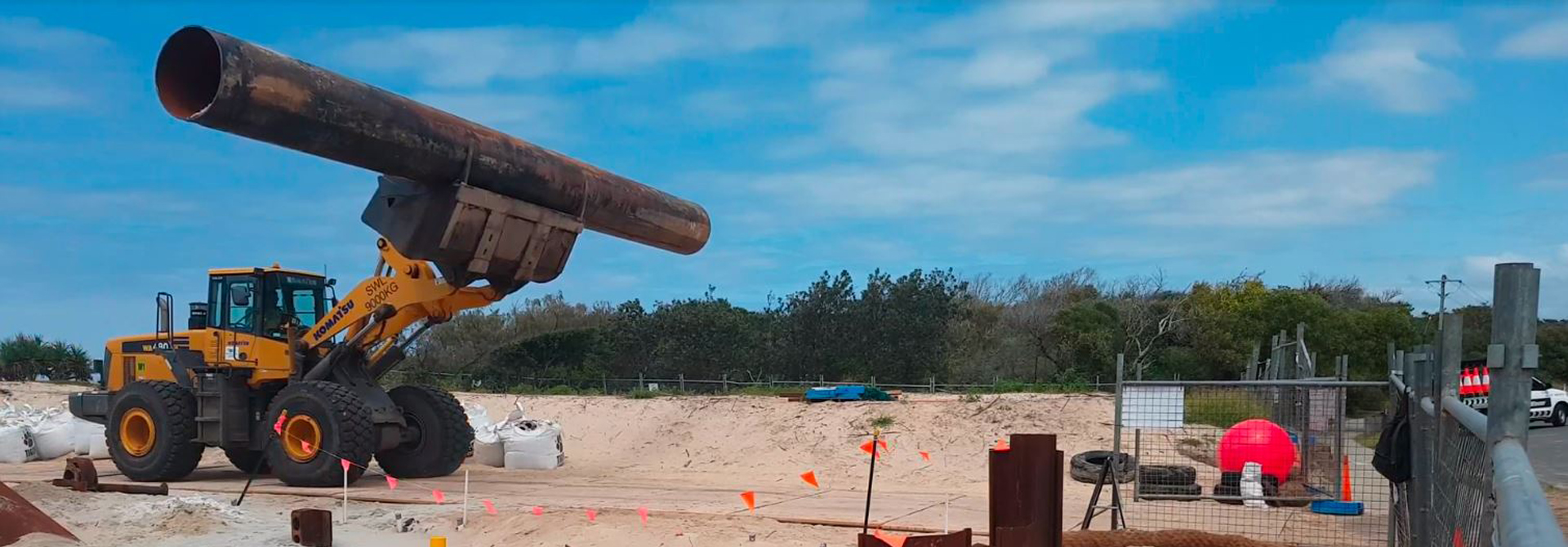
The Sunshine Coast Airport Expansion Project required access across Marcoola Beach for pipeline construction. Dura-Base mats provided a non-slip, temporary road that protected endangered sea turtle nesting grounds and eliminated the need for imported fill.

View Project

Ready to Start Your Project?

Trusted by Industry Leaders