
BEACH ACCESS

Protecting coastal environments

Protecting coastal environments
Solutions

The Challenge Loose sand, tidal inundation, and sensitive foreshore vegetation create access conditions that cannot support vehicles using conventional methods without causing lasting ecological damage.

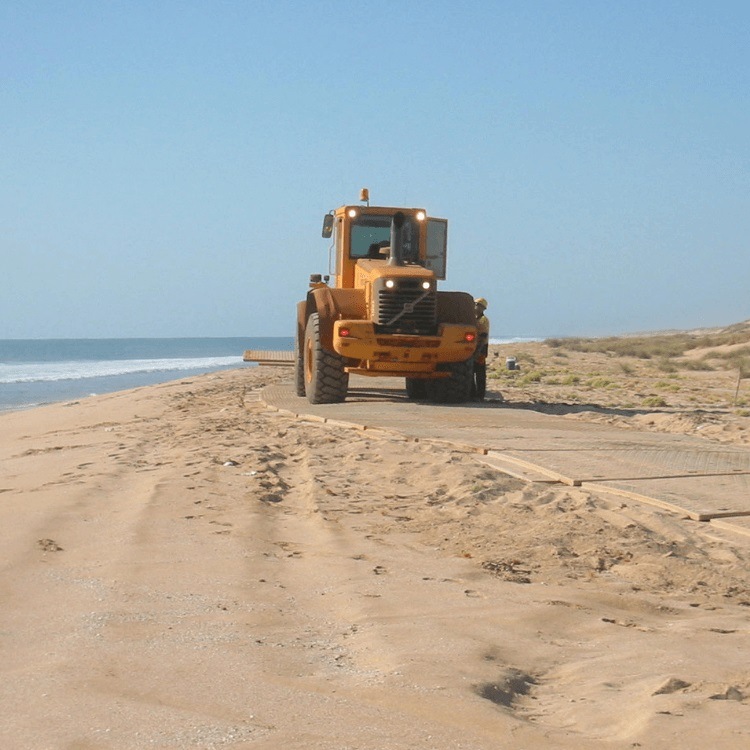
The Solution JWA beach access matting creates load-distributing temporary roads over sand and foreshore environments, protecting fragile ecosystems while enabling essential vehicle and equipment access.

Key Challenges

What Makes Beach Access Demanding

Ground Stability

Loose sand and tidal zones provide no stable base for vehicles or equipment movement.

  • Sand Collapse
  • Tidal Undermining

Environmental Protection

Unmanaged vehicle access over beaches damages dunes, foreshore vegetation and nesting habitats.

  • Dune Erosion
  • Habitat Disruption

Operational Efficiency

Tidal windows and soft sand dramatically restrict access timing and vehicle payload limits.

  • Tidal Constraints
  • Load Restrictions
Engineered Solutions

Performance Over
Unstable Ground

Deploy rapid access systems that protect the environment while supporting heavy loads.

Load Distribution

Engineered composite mats distribute weight effectively, preventing bogging and ground damage.

Rapid Deployment

Quick installation and removal means minimal downtime and maximum productivity.

All-Weather Access

Our systems provide reliable access in any weather conditions, keeping projects on schedule.

Reusable Systems

Durable construction allows for multiple deployments, reducing overall project costs.

Technical Data

Material HDPE Composite (High-Density Polyethylene)
Load Capacity Up to 60+ Tons (configuration dependent)
Panel Dimensions Varies by system — contact JWA for sizing
Surface Anti-slip textured finish, suitable for pedestrian and vehicle use
Installation Manual or mechanical; minimal groundwork required
Reusability Multi-deployment rated; UV stabilised and weatherproof

Expert Insights

Sand Density Variability

Beach access performance varies with sand moisture content. Wet, compacted sand near the waterline provides better mat support than dry, loose dunes. JWA recommends surveying access routes at low tide when possible to identify the most stable alignment.

Environmental Permit Compliance

Most coastal access works require environmental permits specifying maximum vehicle paths and vegetation exclusion zones. JWA provides mat layout plans to document the access footprint for regulatory submissions.

Proven Performance

Featured Case Studies

Real-world examples of how composite matting solves access challenges for beach access projects.

Coochiemudlo Island
Featured Project Coochiemudlo Island, QLD

Coochiemudlo Island

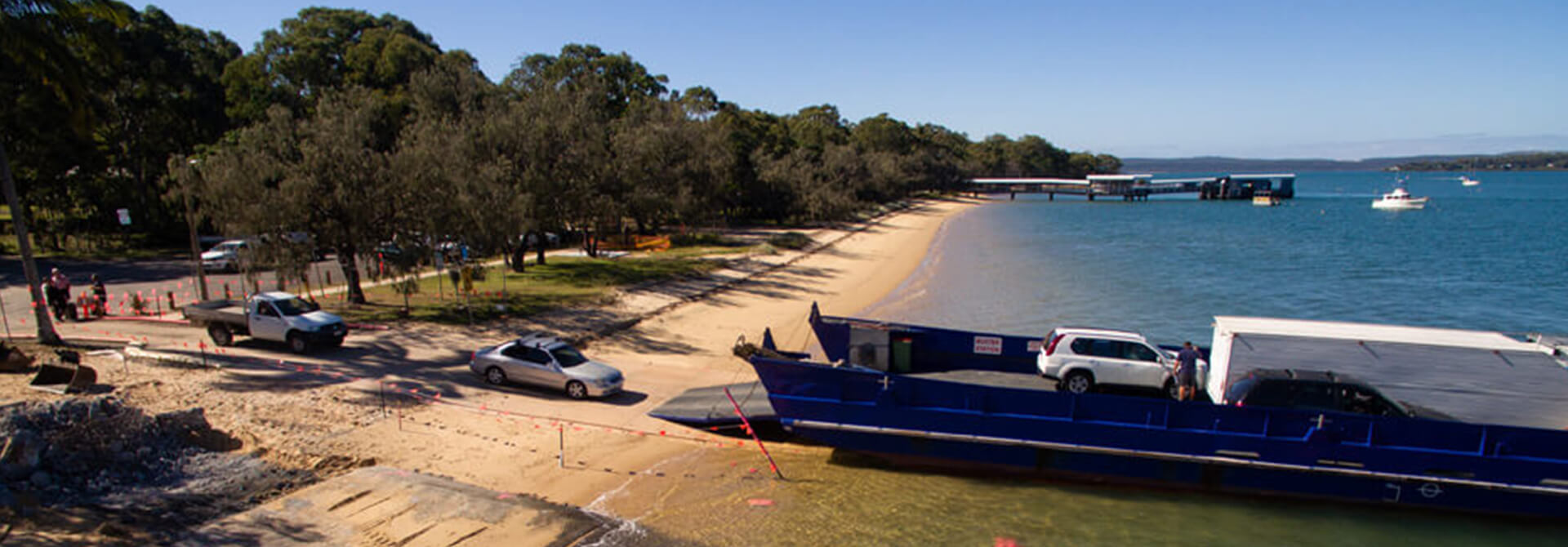
During the replacement of the main barge ramp, Dura-Base Composite Mats provided a temporary vehicular barge landing on the beach at Coochiemudlo Island. This ensured continued access for residents, day-trippers, and construction crews.

Sunshine Coast Airport Expansion Project — JWA project case study
aviation

Marcoola, QLD

Sunshine Coast Airport Expansion Project

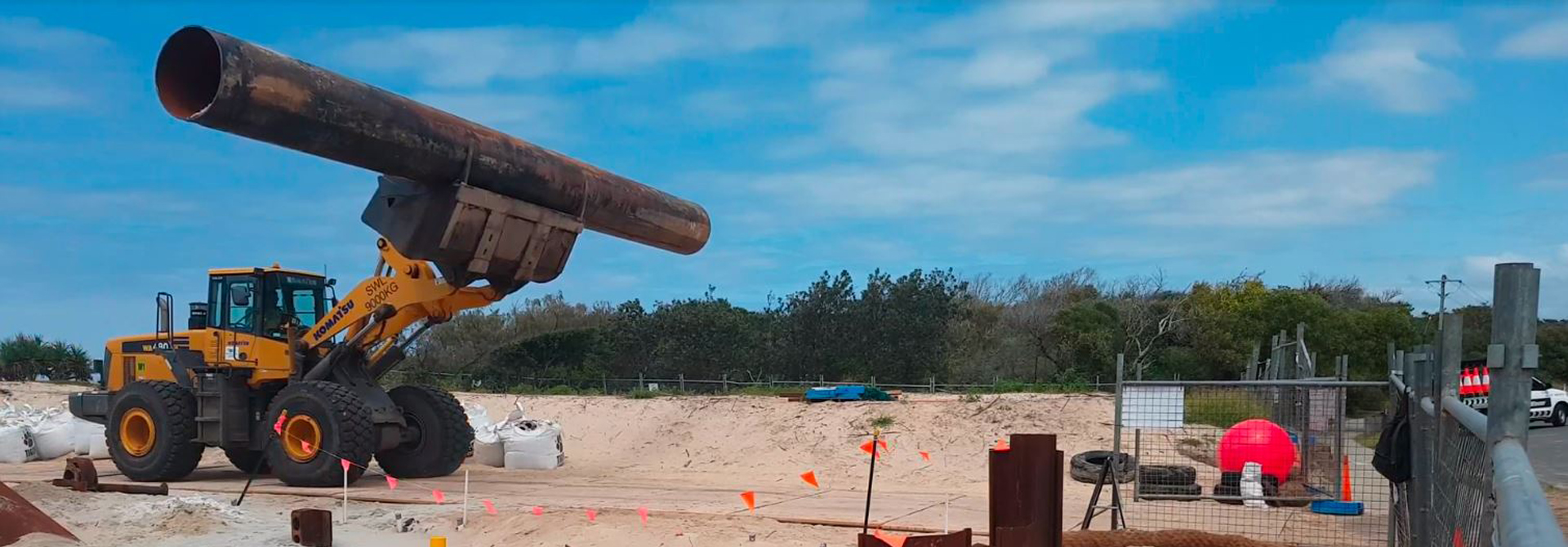
The Sunshine Coast Airport Expansion Project required access across Marcoola Beach for pipeline construction. Dura-Base mats provided a non-slip, temporary road that protected endangered sea turtle nesting grounds and eliminated the need for imported fill.

View Project

Ready to Start Your Project?

Trusted by Industry Leaders