
Powerline Stringing - Dulacca Wind Farm
Renewables | Dulacca, QLD
Overview
How Dura-Base Composite Mats provided a cost-effective alternative to traditional crushed rock for the 180MW Dulacca Windfarm project, protecting sensitive agricultural land.
Composite Matting on Powerline Stringing Works
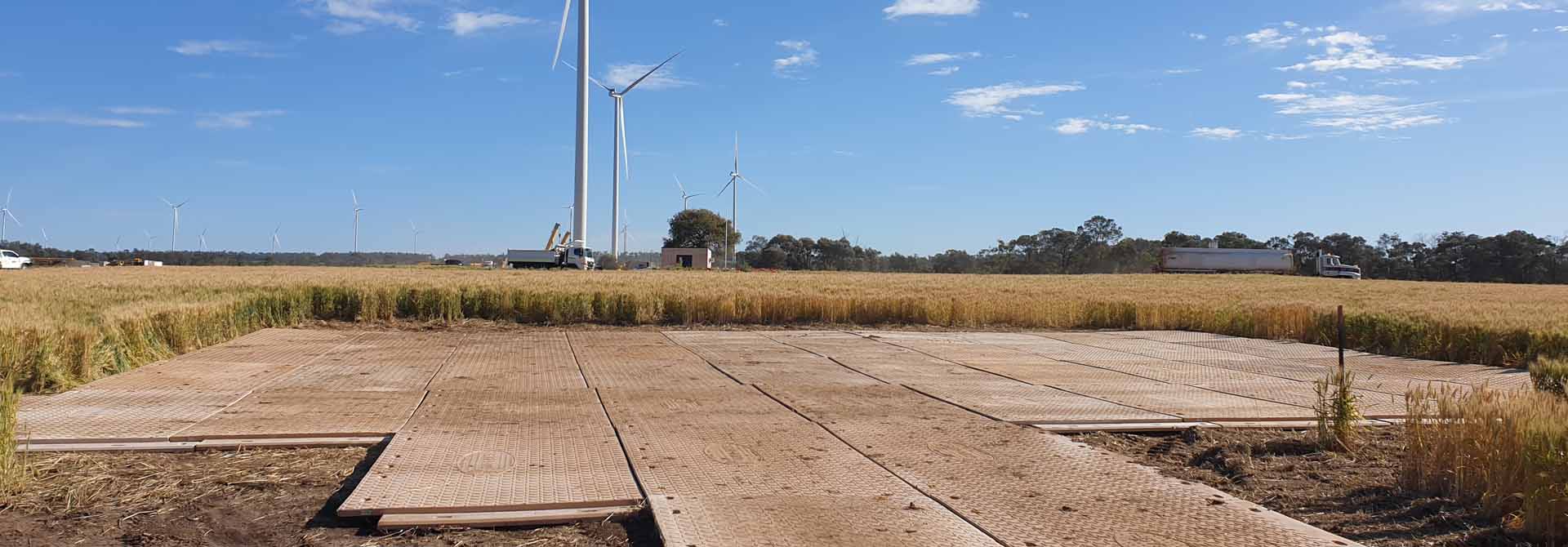
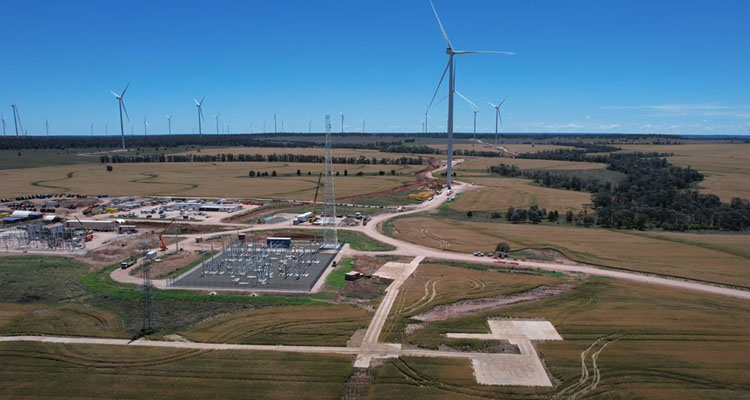
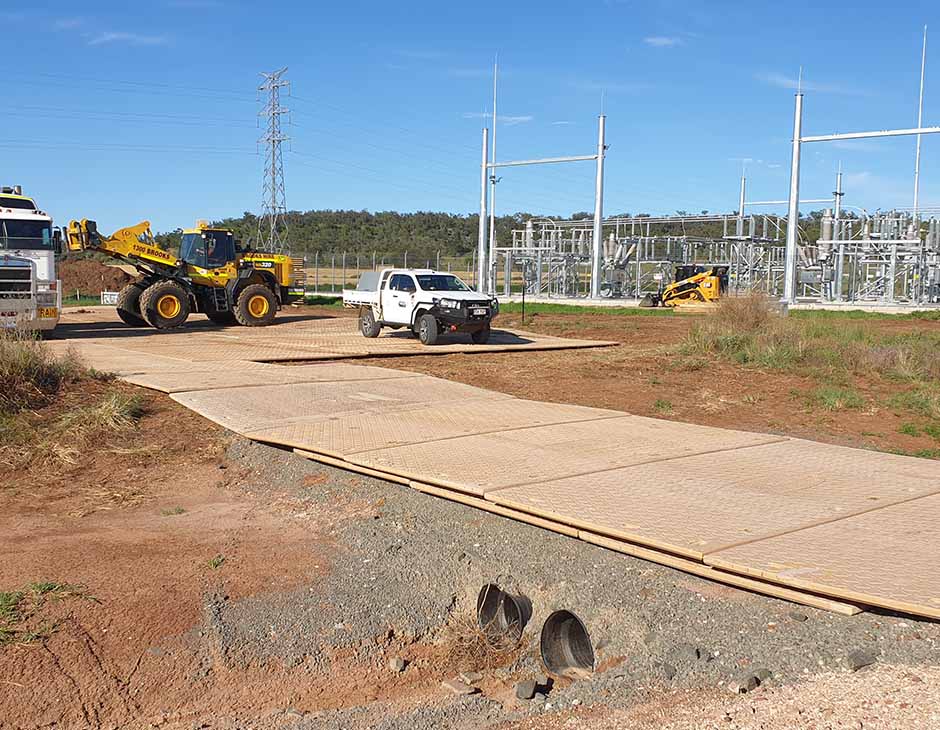
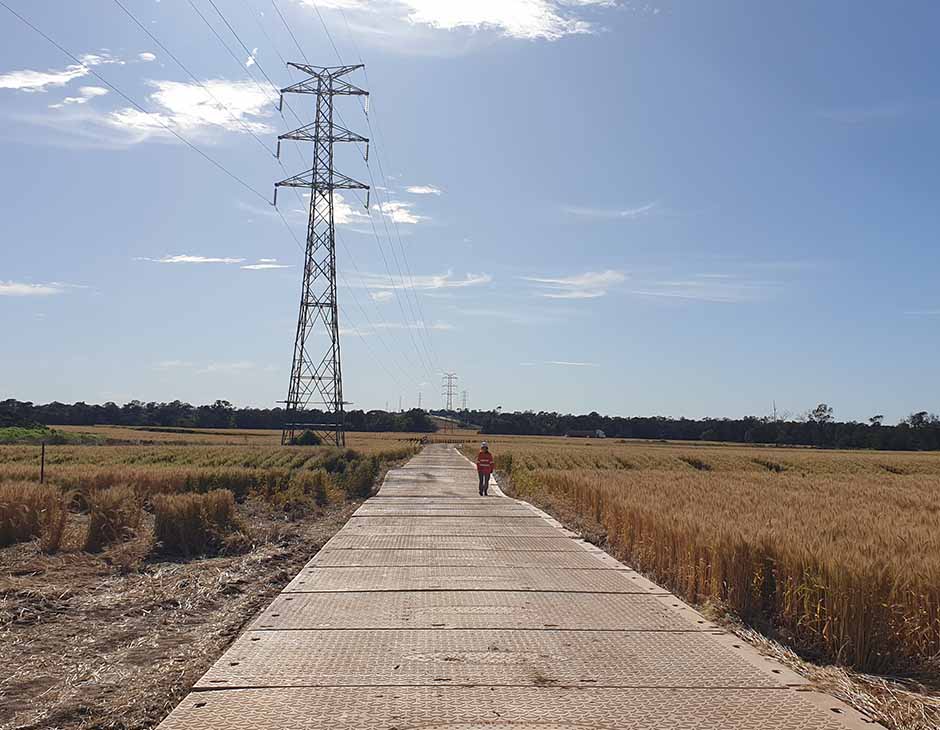
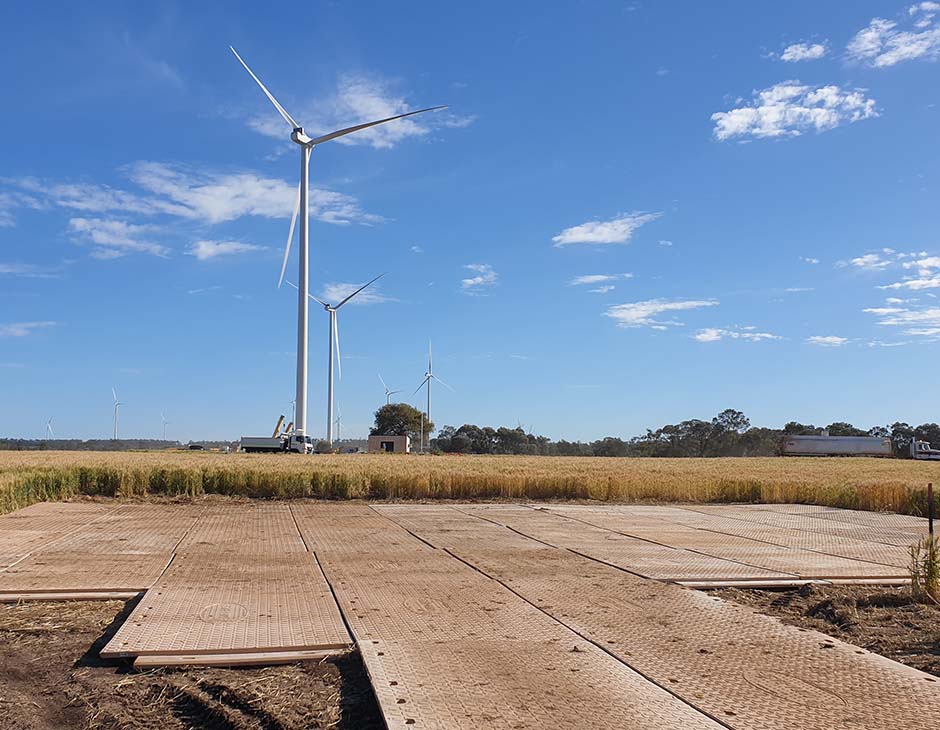
JWA assisted in connecting the 180MW Dulacca Windfarm, home to Australia's tallest wind turbines standing at 230 metres in height, to the national electricity grid. The project required access and working platforms in sensitive agricultural land and Dura-Base Composite Mats was selected as the cost-effective alternative to traditional crush rock.
Benefits of Composite Matting
Site team installed 560 Dura-Base mats (equivalent to 1.2 km of road) in just one week, saving significant time compared to traditional rock methods, which would have taken 4-5 weeks.
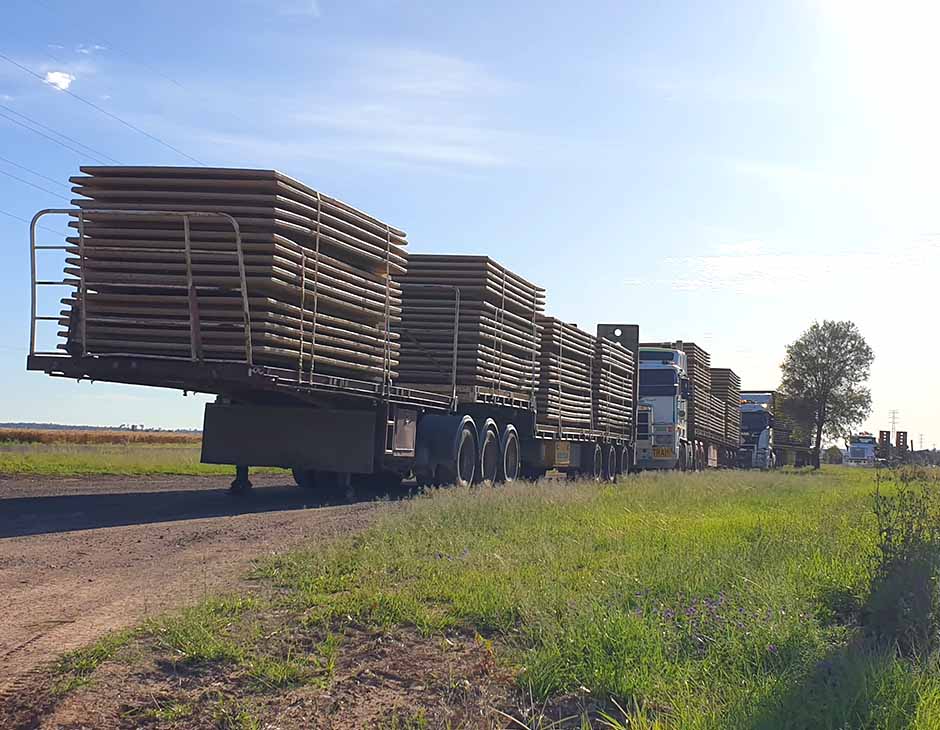
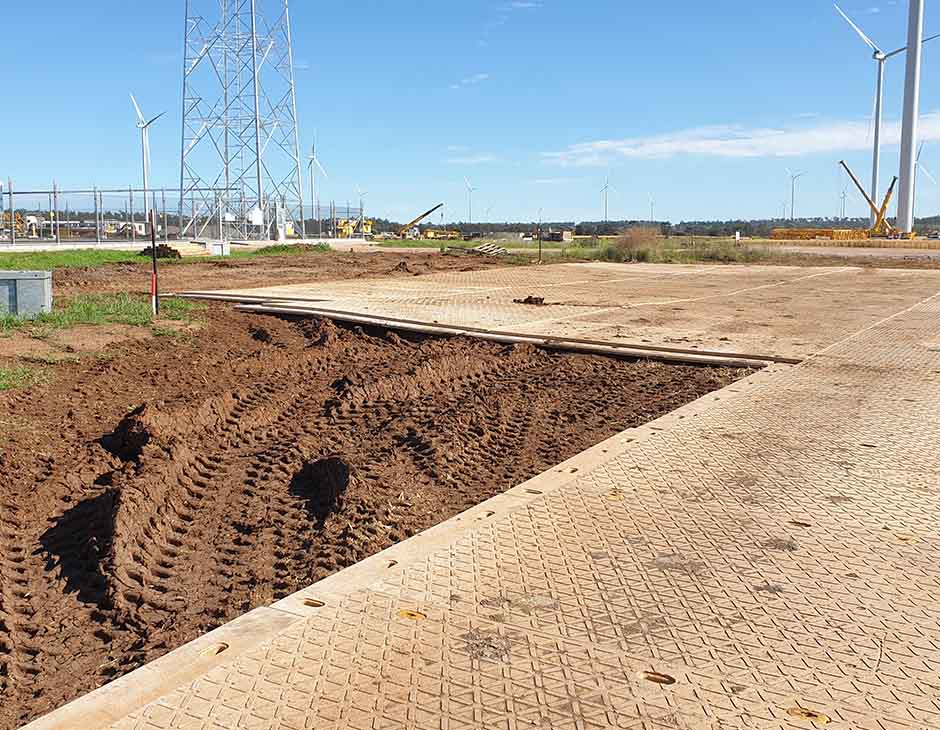
The project made use of 4,700m² of composite mats for temporary roadway and safe work platforms. According to calculations by JWA, considering the standard 300 mm thickness of gravel base typically used for construction access, the utilisation of mats saved approximately 2,818 tons of crushed rock. To put it in perspective, this equates to about 232 loads of 24-ton dump trucks, as opposed to just 22 semi-trailers needed for transporting the mats - both to and from site. This significantly reduces not just the need for quarried material, but also the carbon emissions from transportation.
Results
Using Dura-Base mats helped reduce the resources required, the time and the cost of the delivery of the works package that saw the wind farm being connected to the grid on schedule.
Project Details
Key Benefits
Resource Conservation
- Savings of approximately $550,000 in quarried material costs
- Elimination of 60% of the estimated costs associated with rock access
- No need for additional top-ups after heavy rain
Emission Reduction
- Delivery and pickup of mats saved on 210 truck trips, cutting down on transport emissions compared to usage of quarried material
Minimised Time On Site
- Installation and removal of the roadway using mats took only 15 days, whereas traditional rock access would have taken 50 days
Soil Conservation
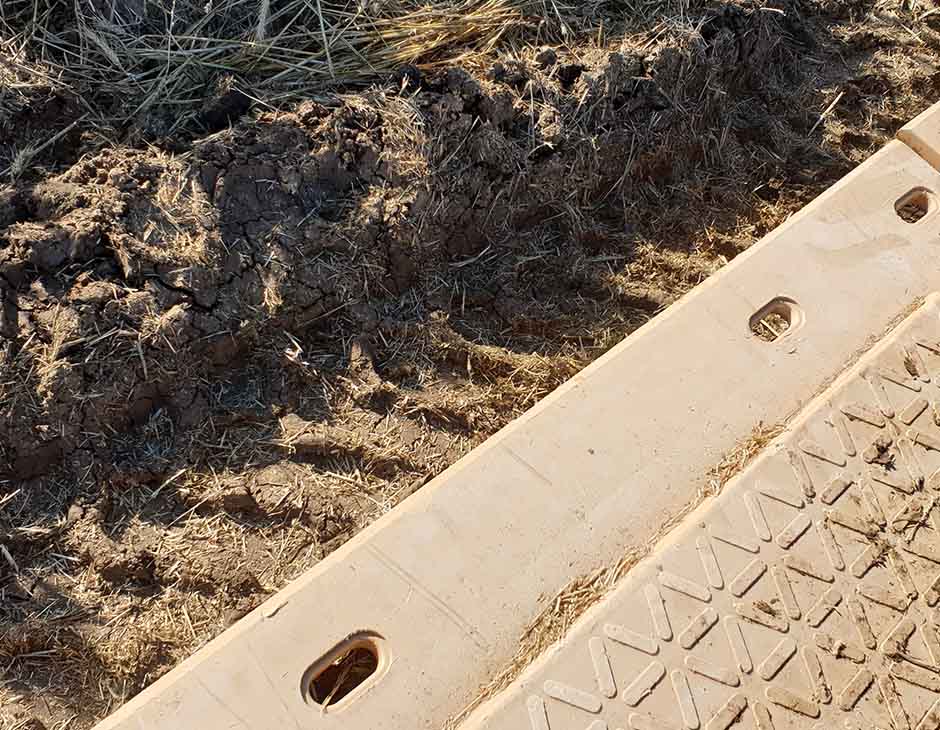
- The remediation process after mat removal involved recultivating the land as part of normal cultivation practices, avoiding the need for mechanical removal of imported materials, reinstating removed soil, and achieving compaction levels suitable for safe agricultural machinery traffic
- Eliminated the risk of cross-contamination to the sensitive agricultural land
Related Products
Gallery


Proven Performance
JWA's composite matting solutions have been trusted by industry leaders across Australia for over a decade.